How to be a meaningful play partner

When we know better, we can play better!
Maybe your child is cooking planets over a pretend campfire, putting band‑aids on rocks, or turning puzzle pieces into sandwiches. Our initial response may be to correct them and say, "No, let's cook s'mores," or something that would be considered more "appropriate."
But here’s the truth: play doesn’t have to make sense to be meaningful. In fact, some of the most powerful learning happens when play is completely child‑led.
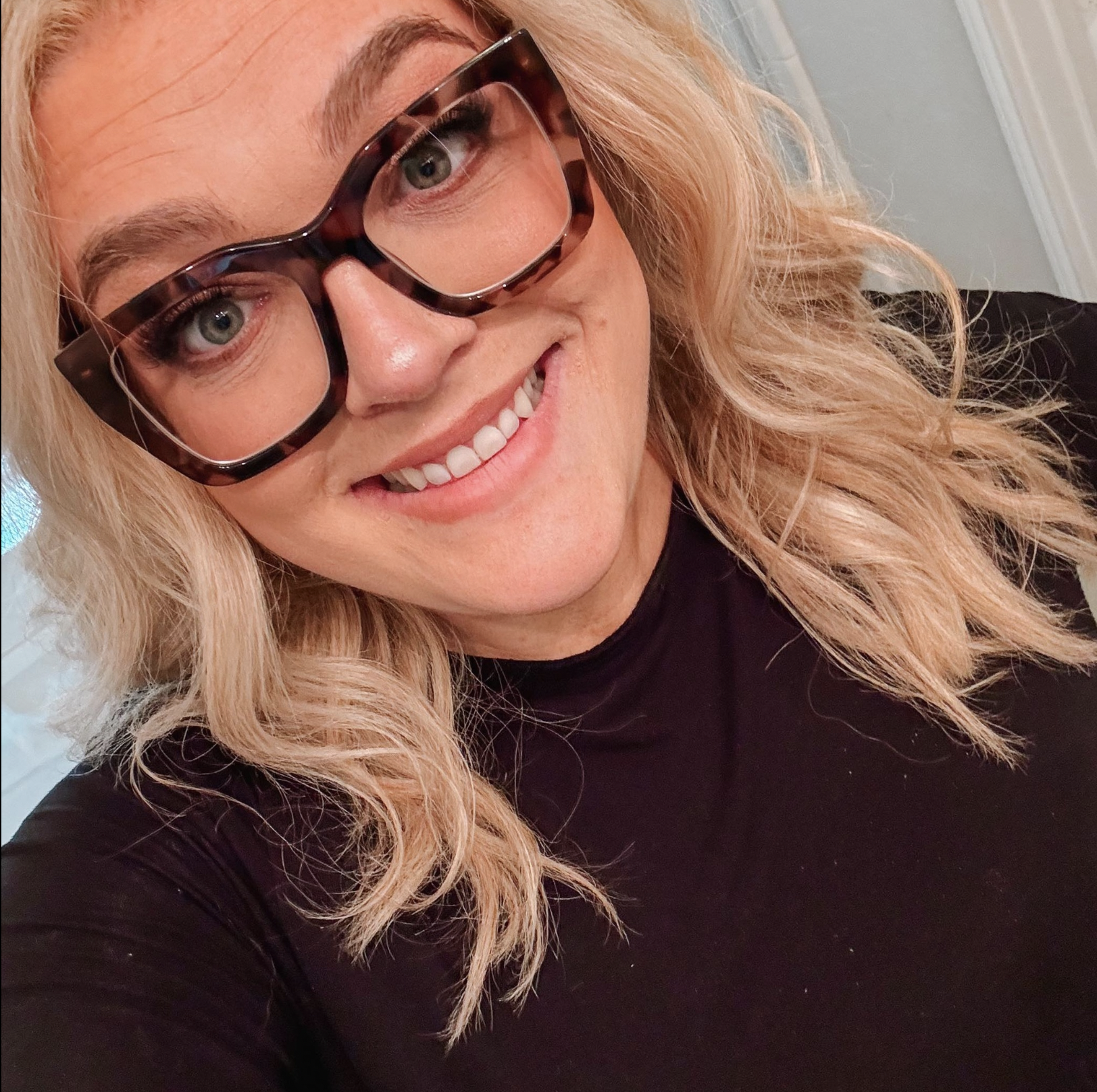
As a BCBA (Board-Certified Behavior Analyst), play science enthusiast, and mom of 3 small boys, I have had my share of experiences thinking, "I’m not sure this is how this toy is supposed to be played with…" and wanting to correct their play.
Over time and through research, I learned that this instinct is often the opposite of what actually supports growth. When we know better, we can play better. Now, I work with families to create spaces of meaningful play through CHILD-LED interactions.
Below are five simple, research‑aligned ways to support child‑led play that builds communication, connection, and confidence, without pressure, and a whole lot more FUN.
1.) SAY YES... then ADD!
When play doesn’t make sense, try saying yes first, then gently building on the child’s idea. Saying “yes” keeps the connection intact and honors your child’s imagination. Adding a brief comment or idea expands language, increases flexibility, and fosters shared attention.
Instead of correcting, you might say:
“Oh! We’re cooking planets. Should we stir Mars or flip Jupiter?”
This approach tells your child: I see you. I’m interested. Let’s keep going.
2.) Follow the idea, NOT the object
Play is about the idea, not what the toy is "supposed" to be. A block can be food. A spoon can be a microphone. A planet can be dinner.
When we follow the child's idea instead of correcting the object, we can support:
Symbolic Play
Creativity
Cognitive Flexibility
There is no "wrong" way to play when imagination is leading.
This is a common point of tension in the ABA world. When the goal is to teach play skills, it's easy to unintentionally inhibit a child's natural curiosity and play. We can do better.
3.) Narrate, don't correct
I say this all the time with everything we are doing. You don't have to fix the play, just talk about it. Narration gives language models without interrupting the child's flow. This removes the pressure and invites communication naturally.
You might say: "The fire is hot. The planets are sizzling."
No questions required. No demands placed.
4.) Child-led play builds MORE than imagination
When kids lead play, they aren't just being creative; they are building meaningful skills:
Communication
Confidence
Connection
Sharing
Joint attention
Being allowed to lead tells the child that their ideas matter and pairs YOU as a source of reinforcement... which means they are more likely to seek you out for play again.
5.) Engagement = work!
Engagement matters more than realism and scripted play.
If your child is focused, curious, and joyful, then the play is doing exactly what it's meant to do..... even if it looks nothing like the box it came in.
Play doesn't have to make sense to be meaningful.
When we slow down, follow our child's lead, and stay curious instead of corrective, play becomes a powerful space for growth, communication, connection, and JOY!
Sometimes the best thing we can do is simply say yes and see where it takes us!

Comments